Cyprus Forum London 2026: Hybrid threats, disinformation, and democracy
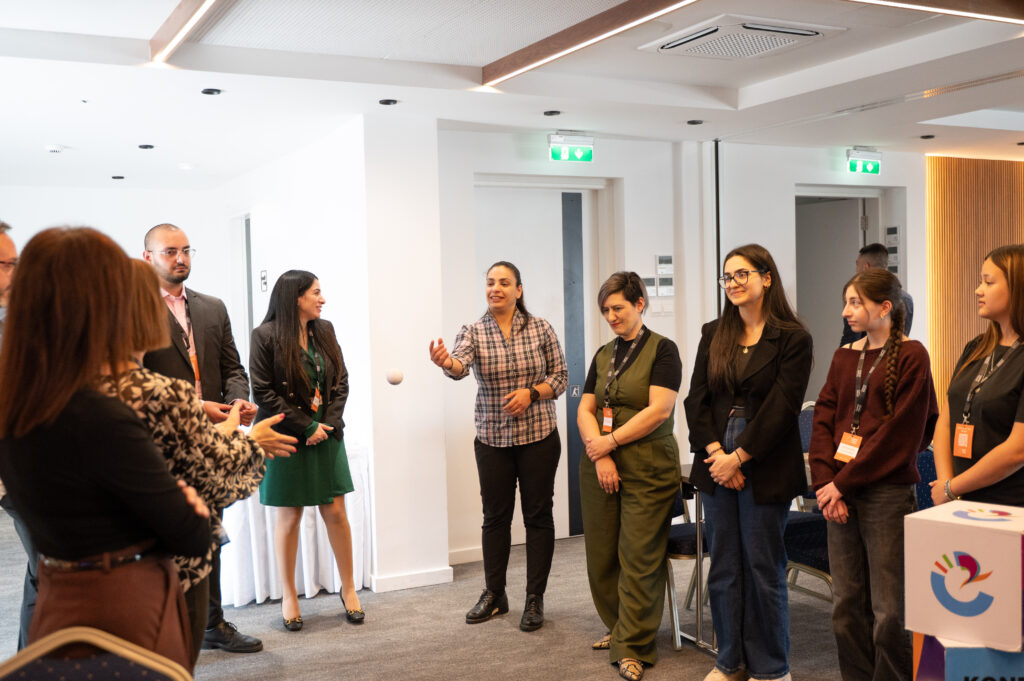
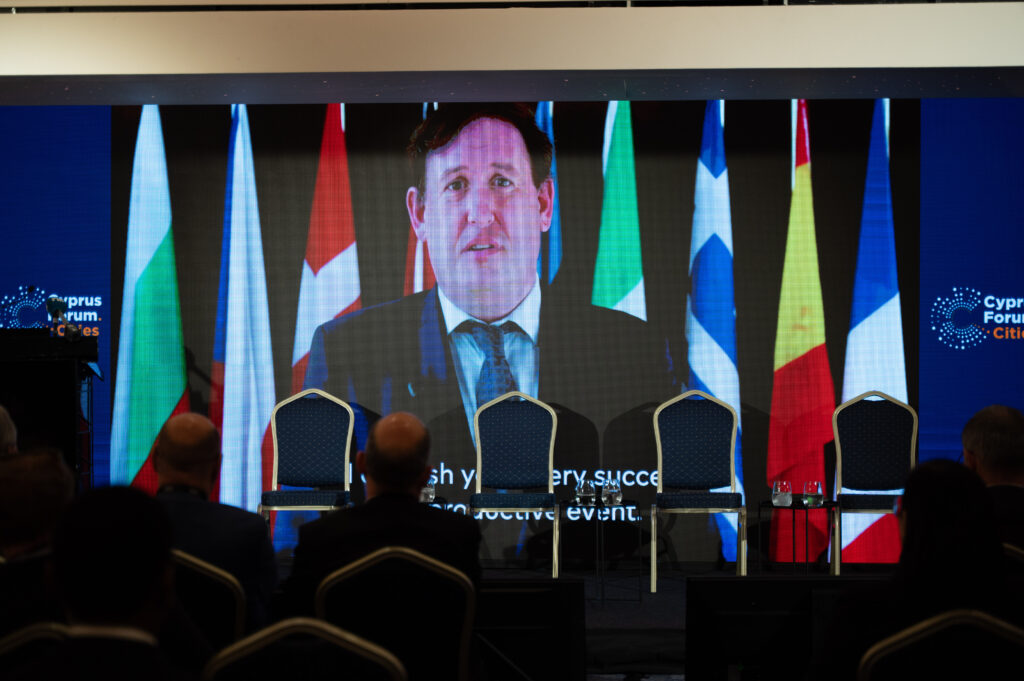
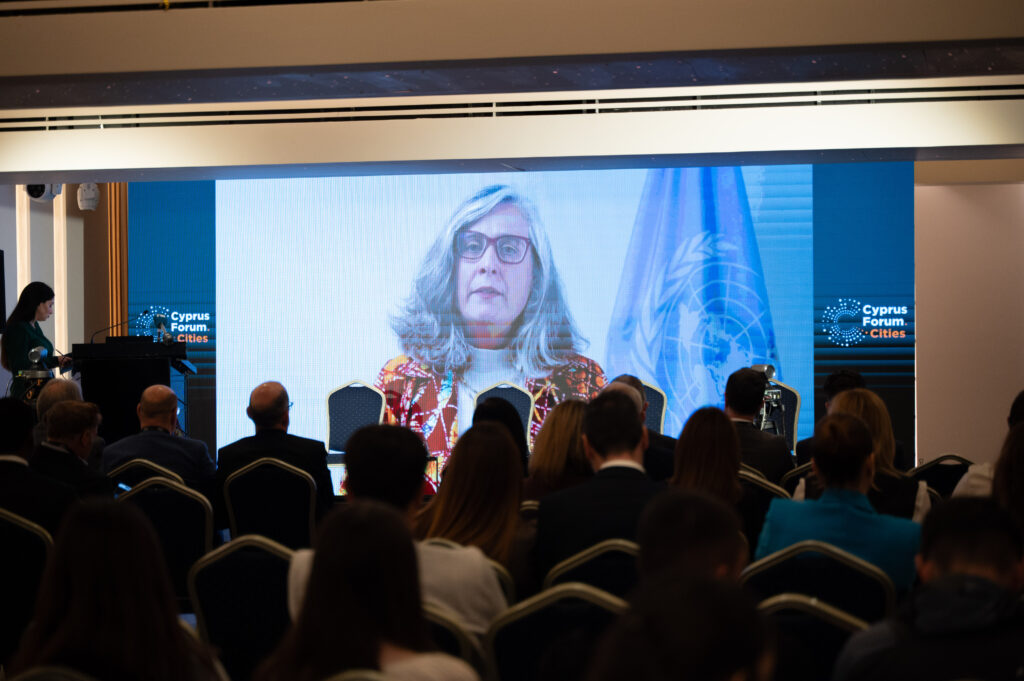
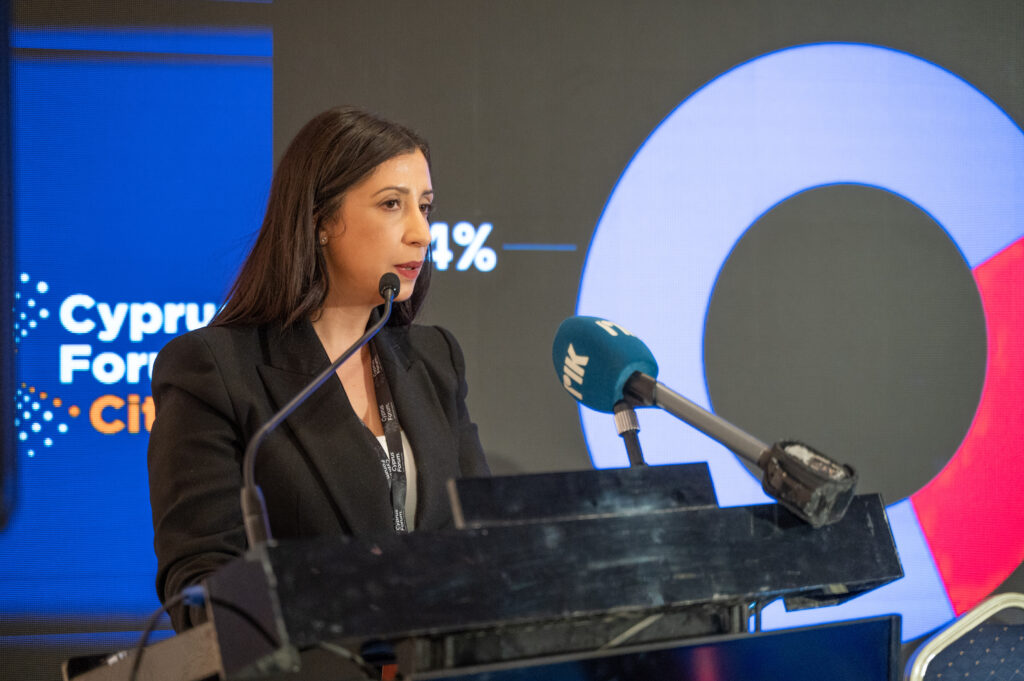
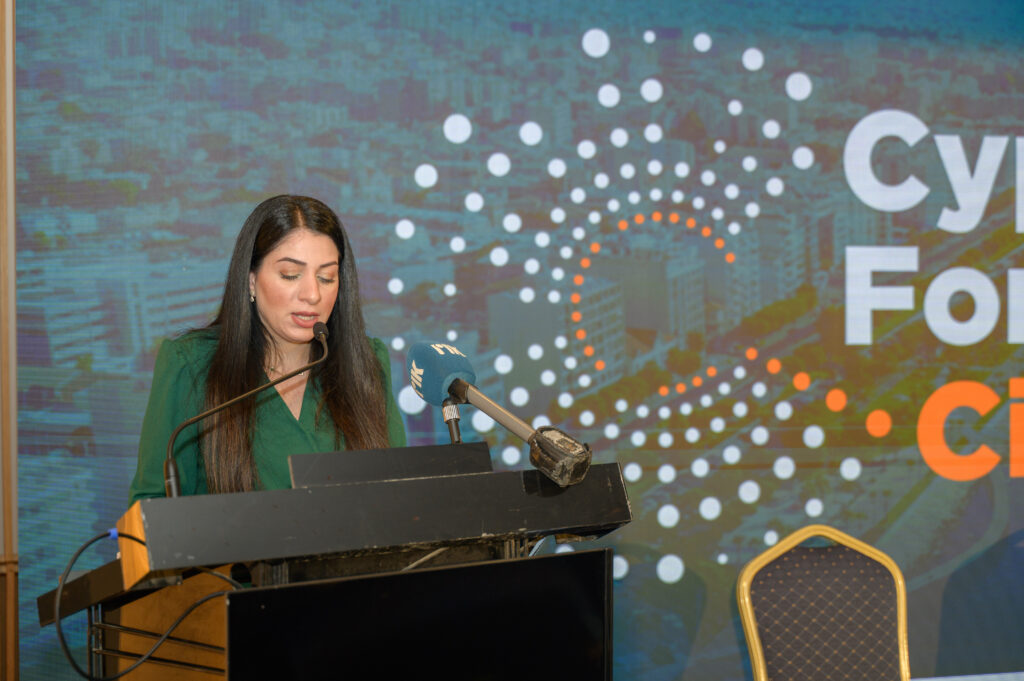
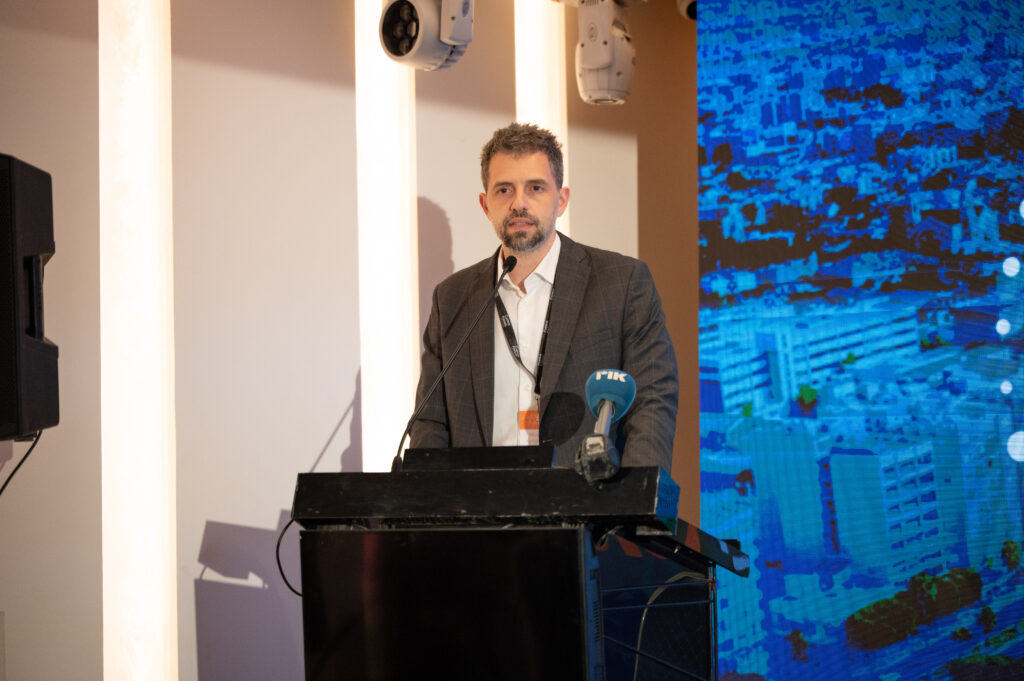
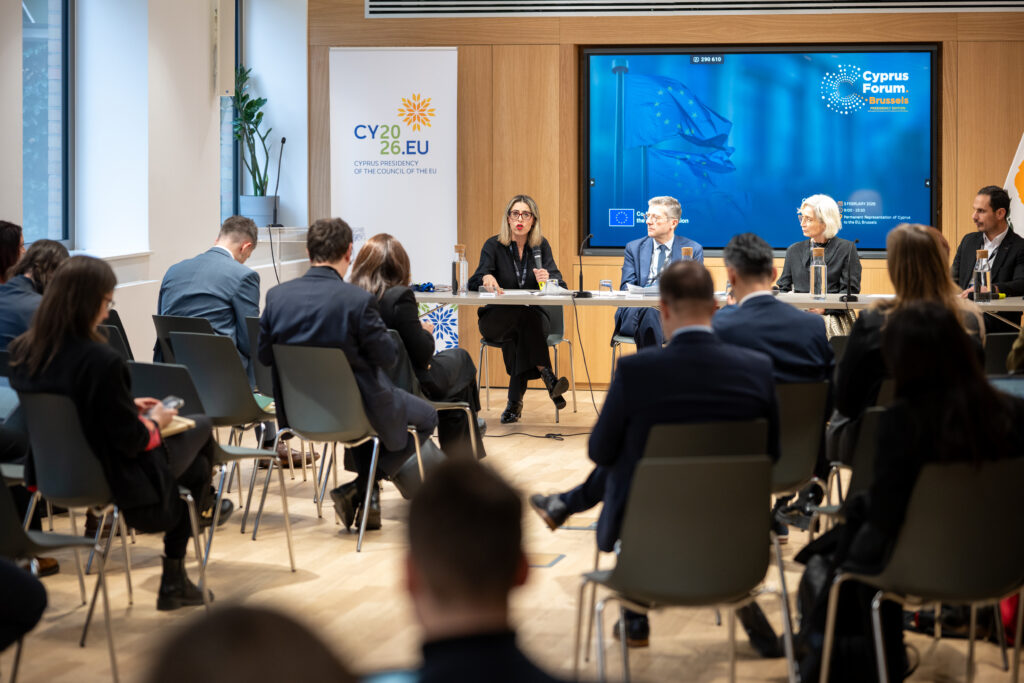
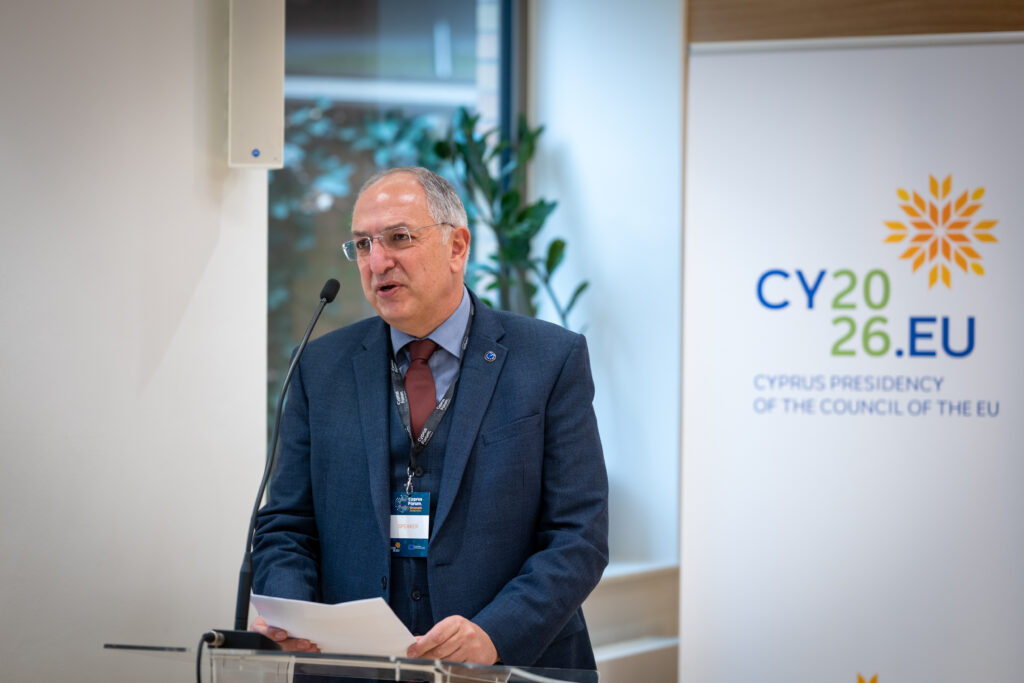
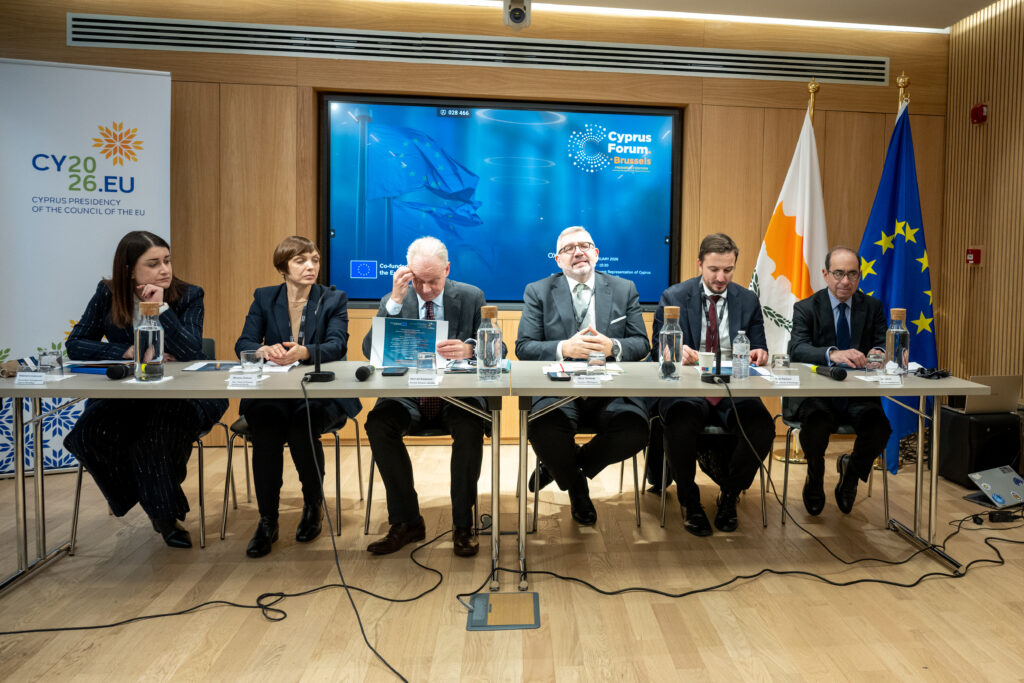
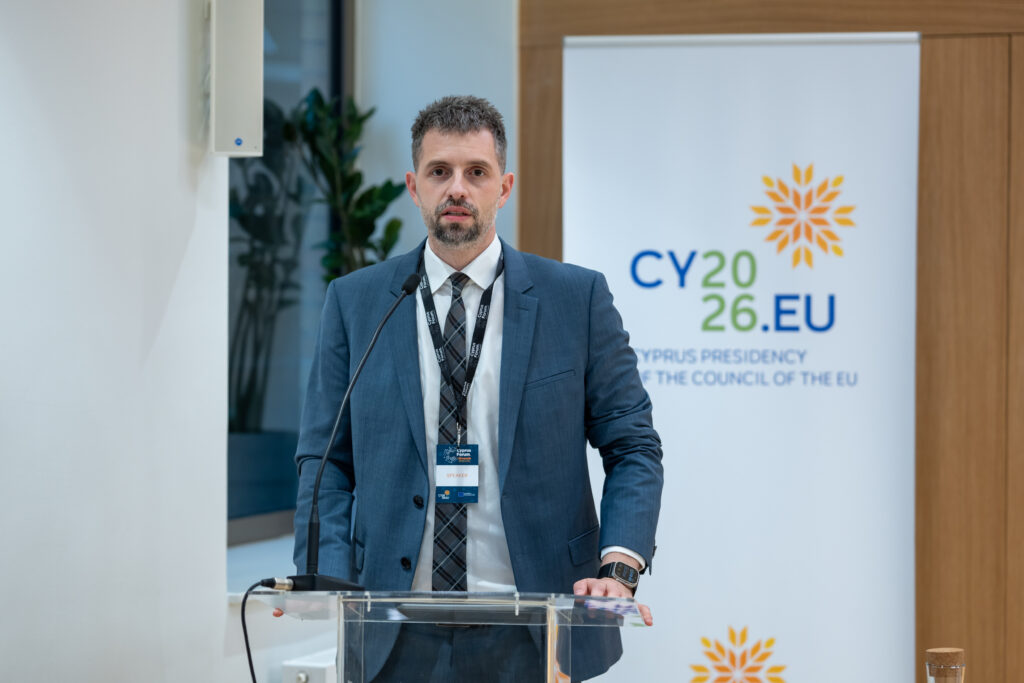
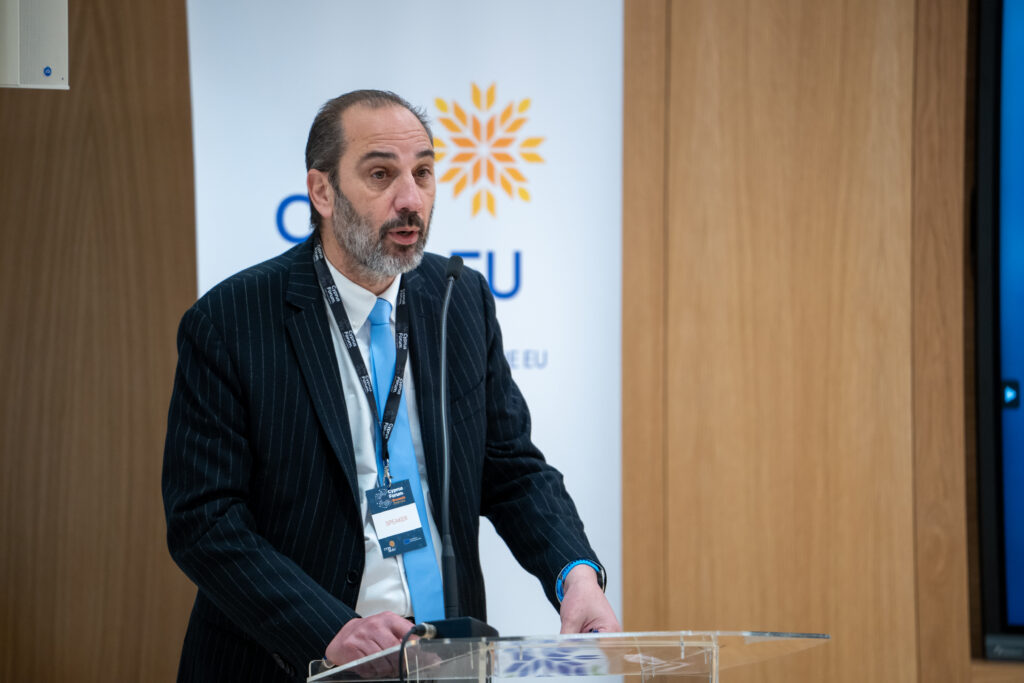
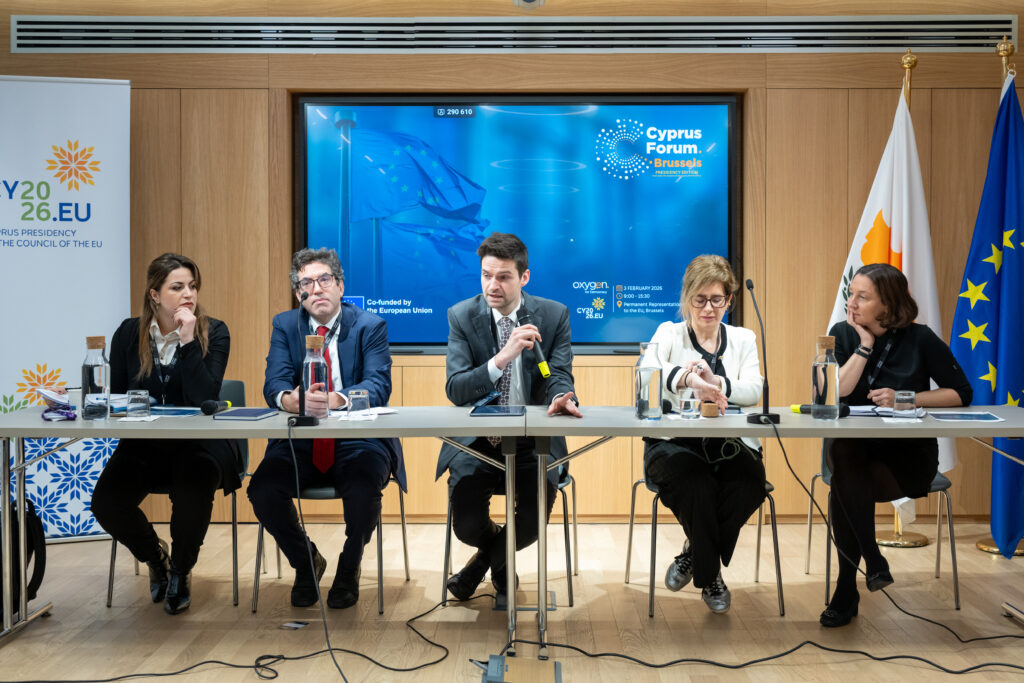
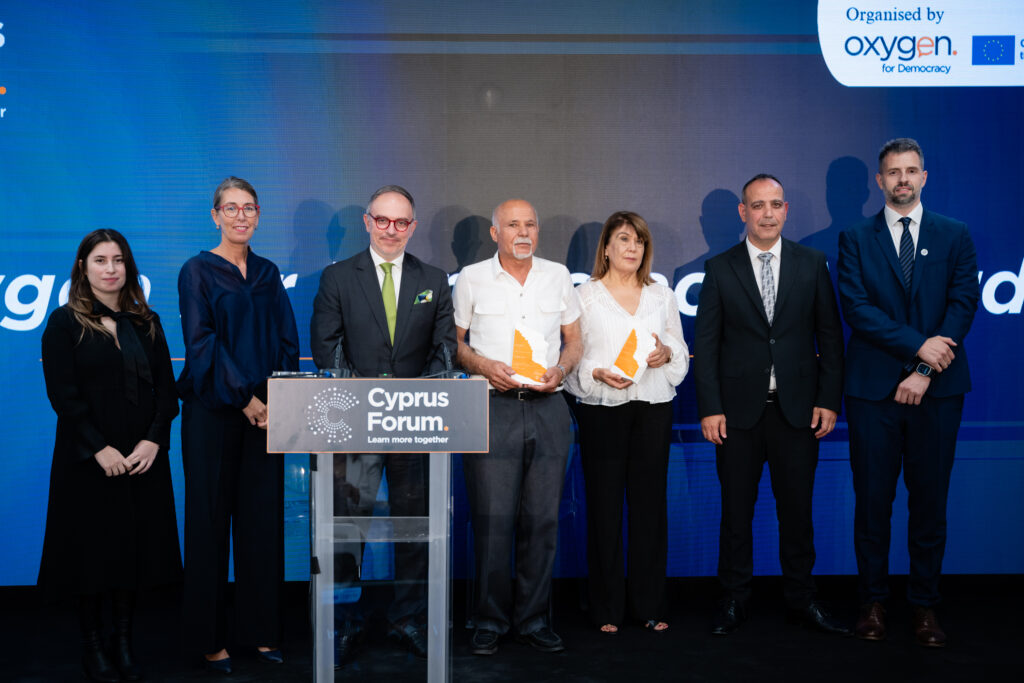
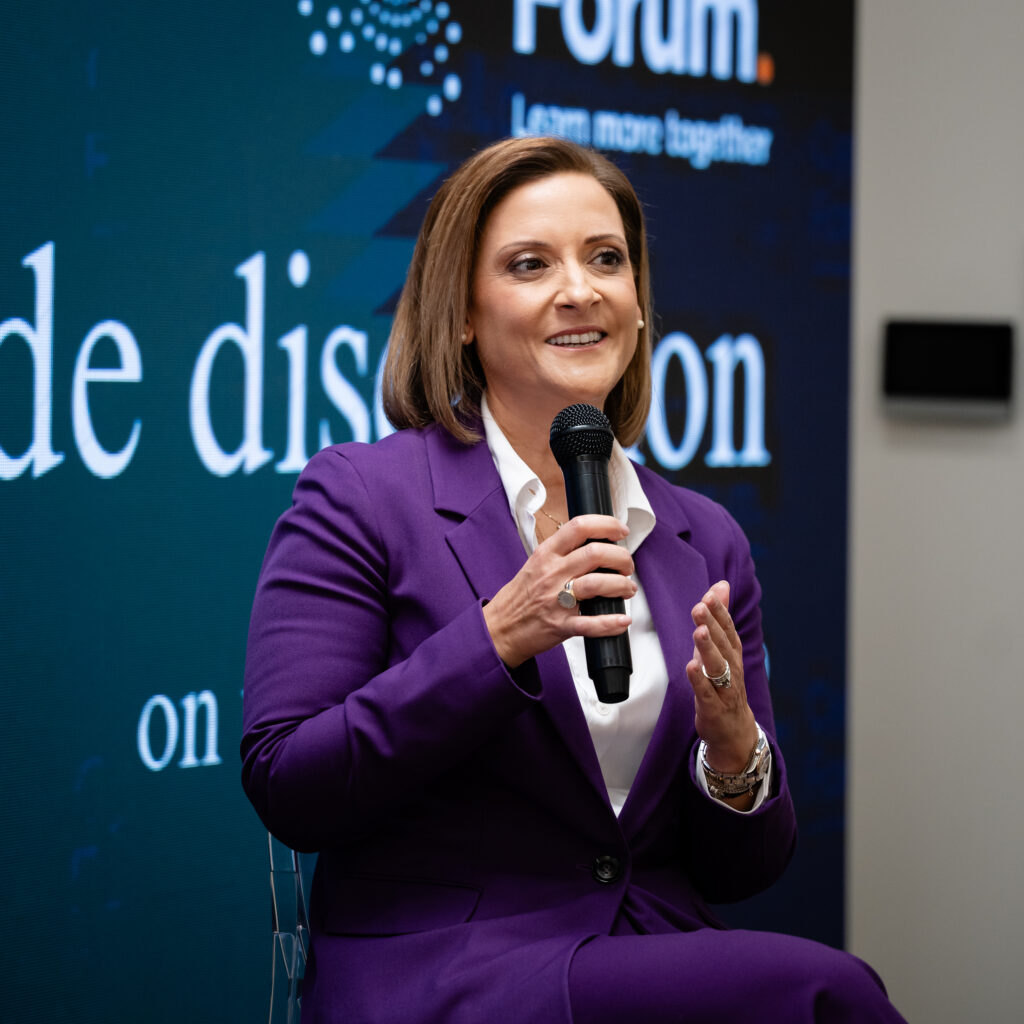
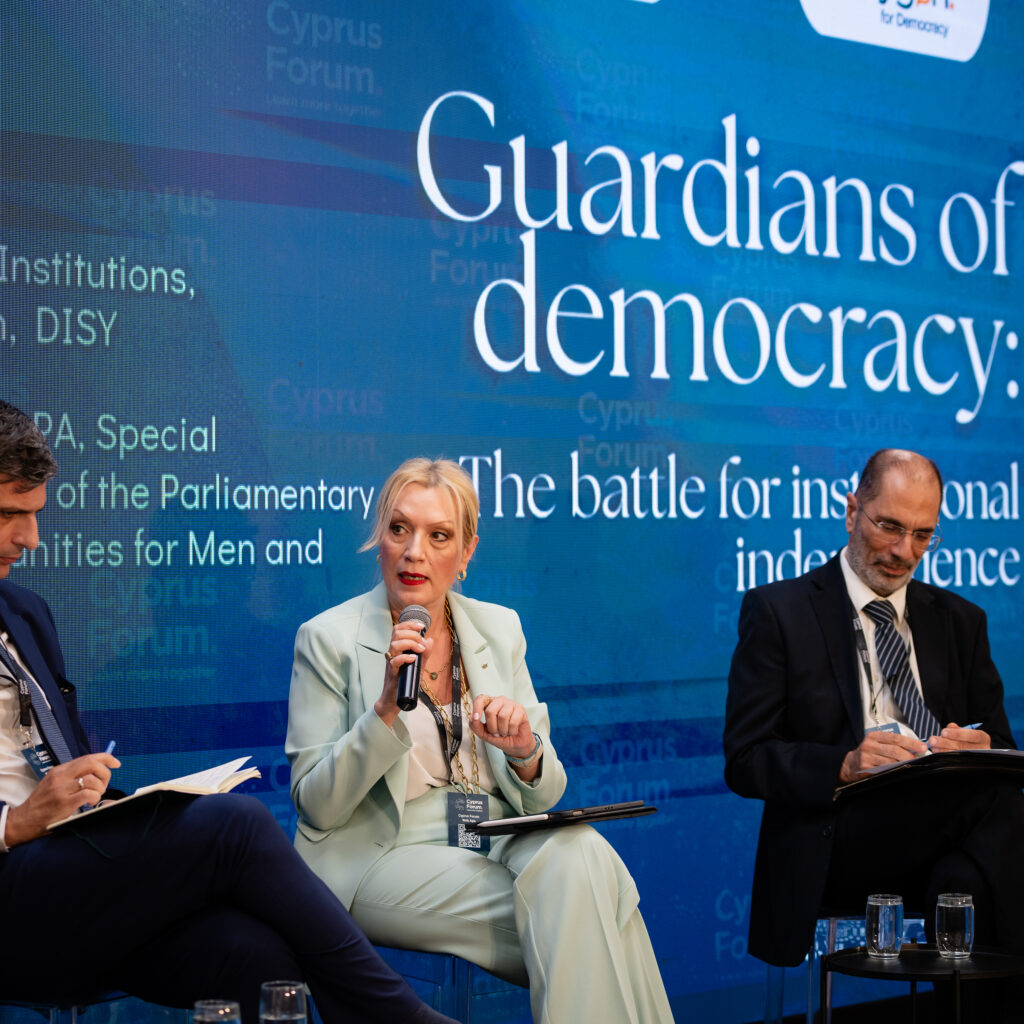
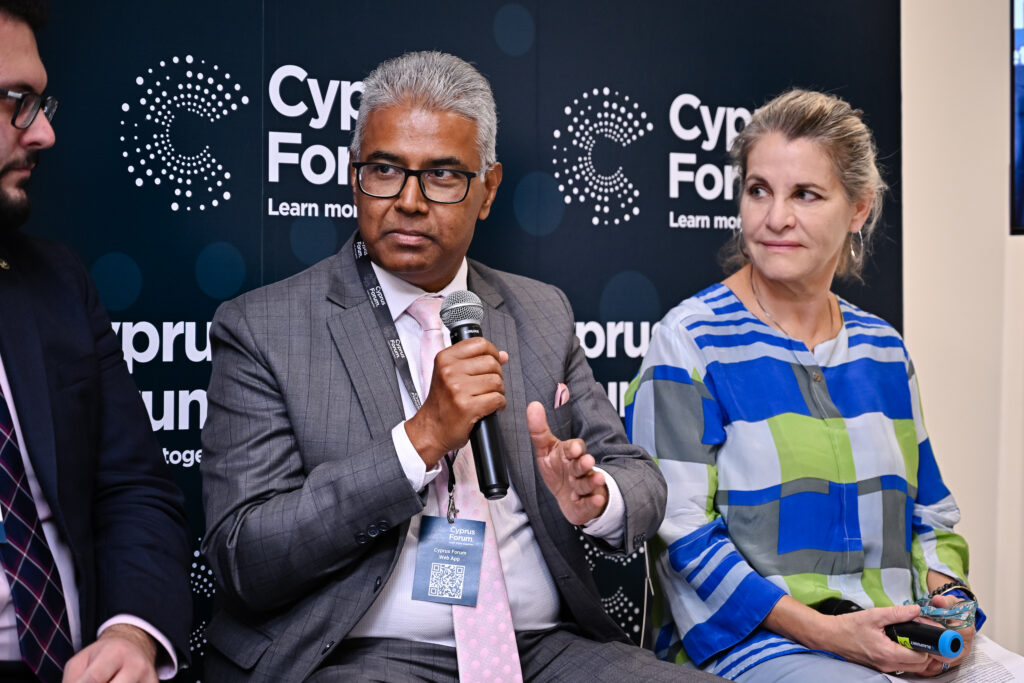
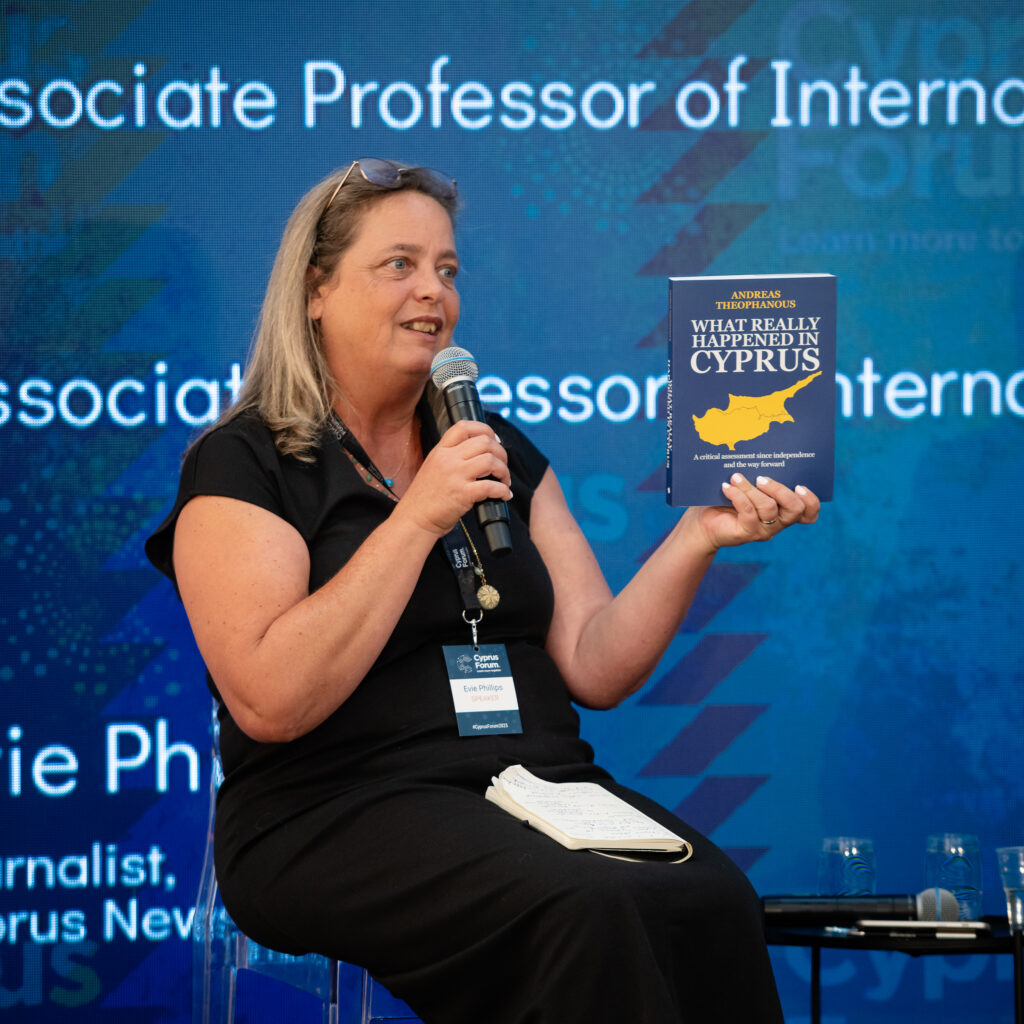
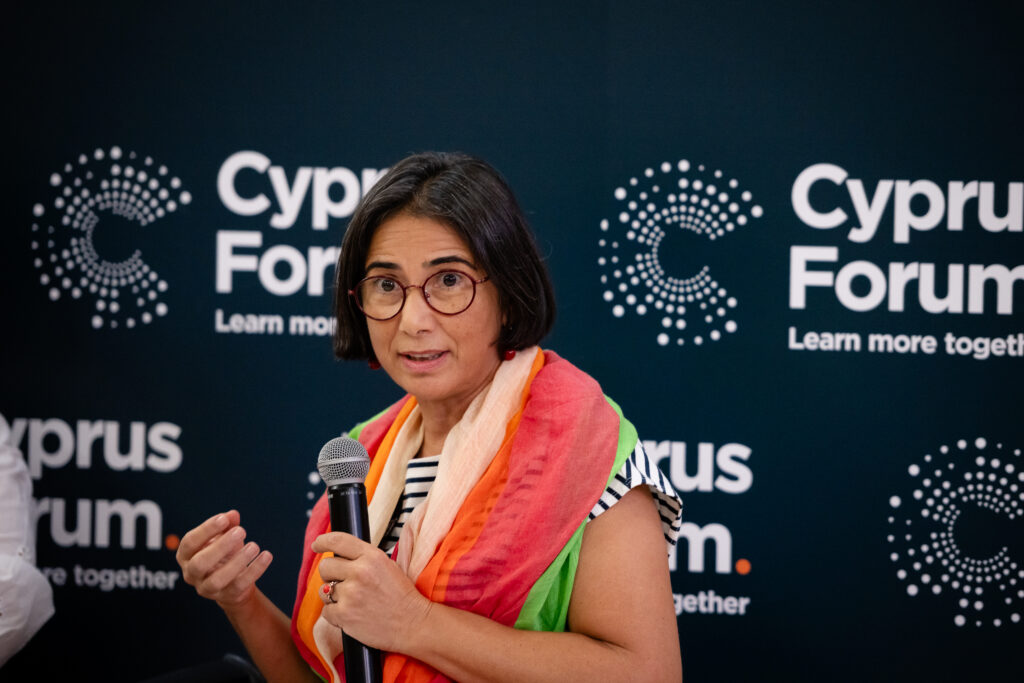
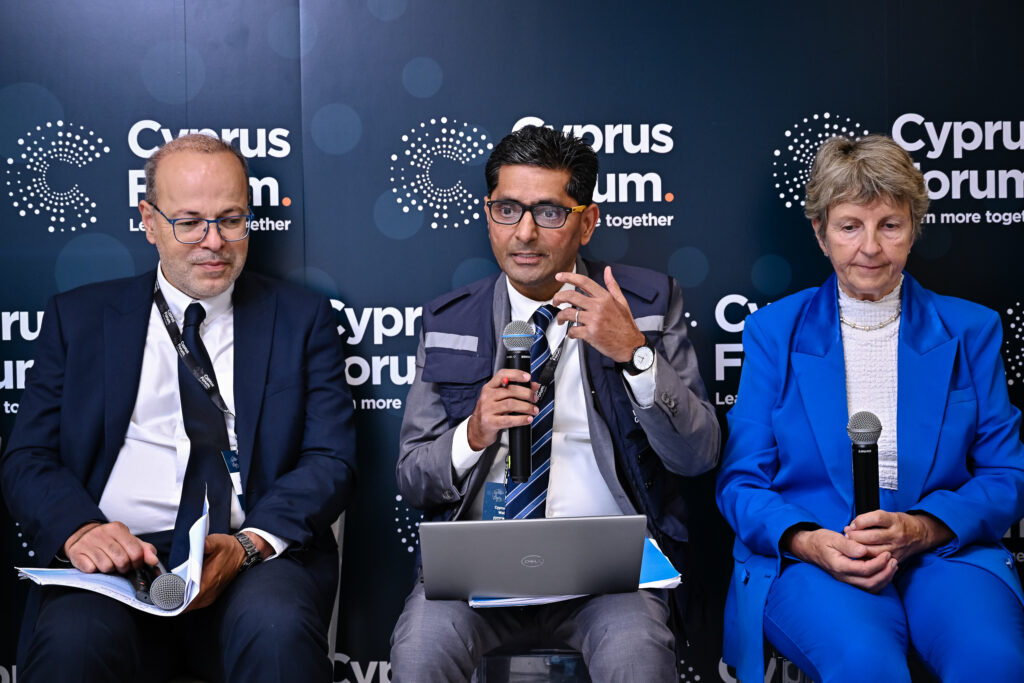
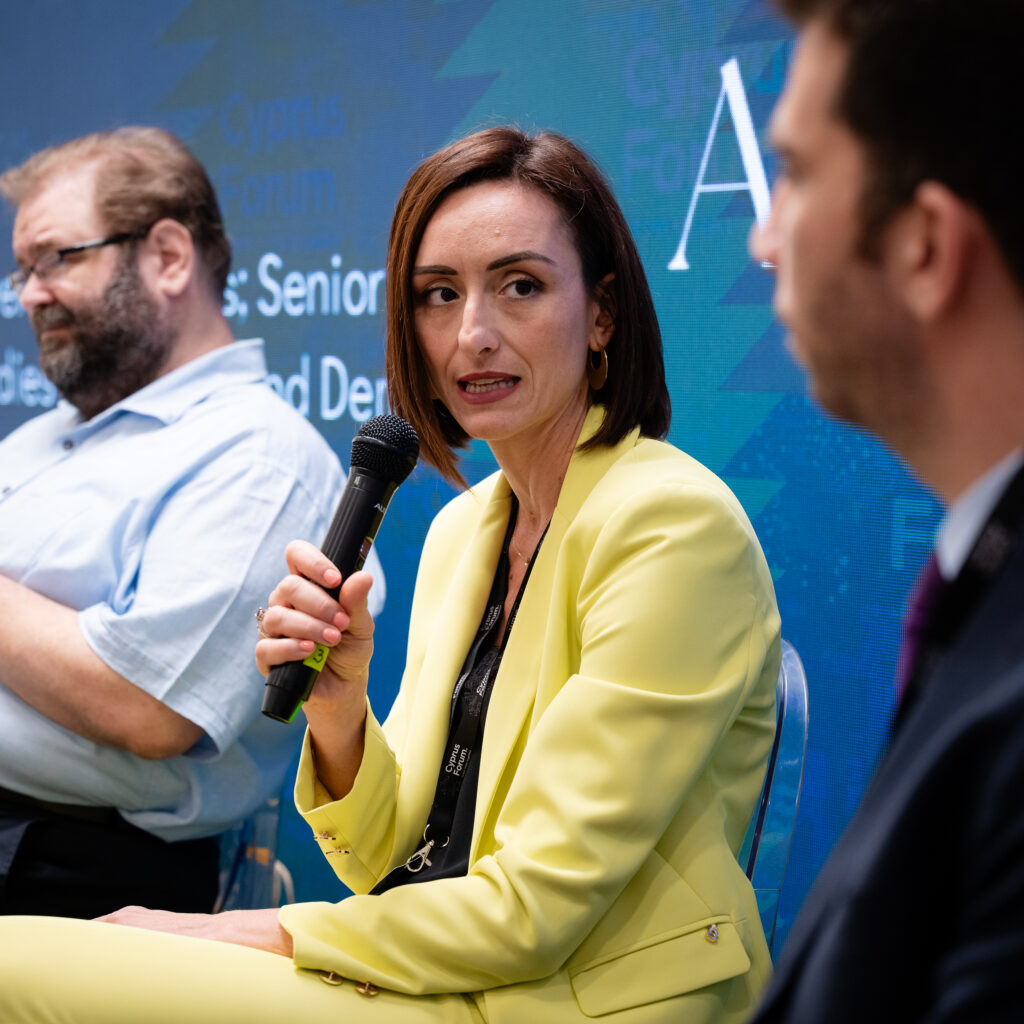
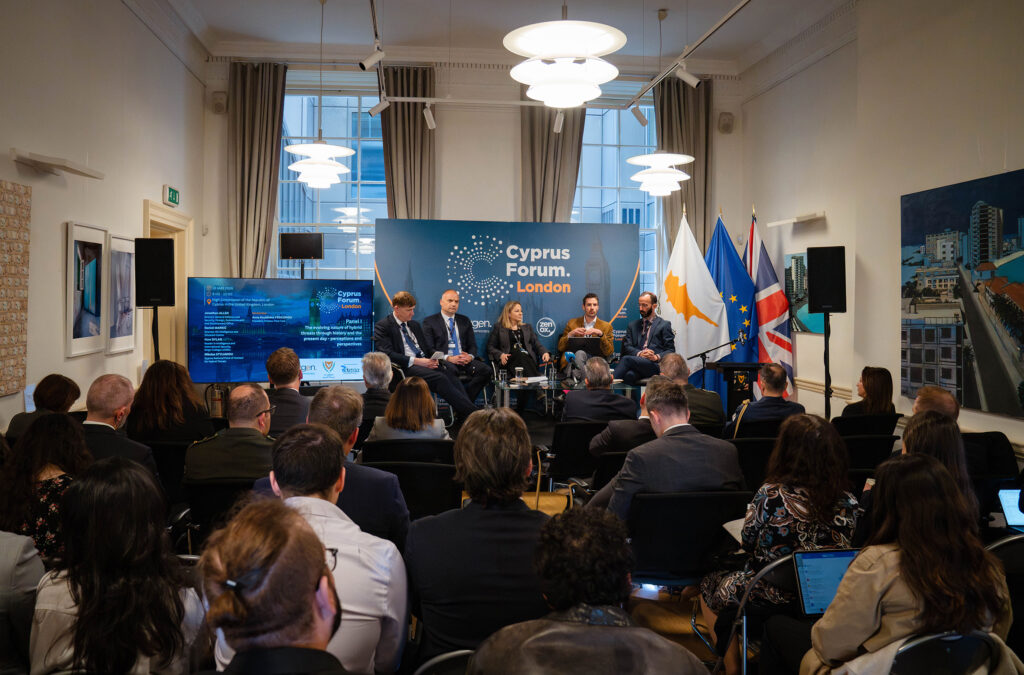
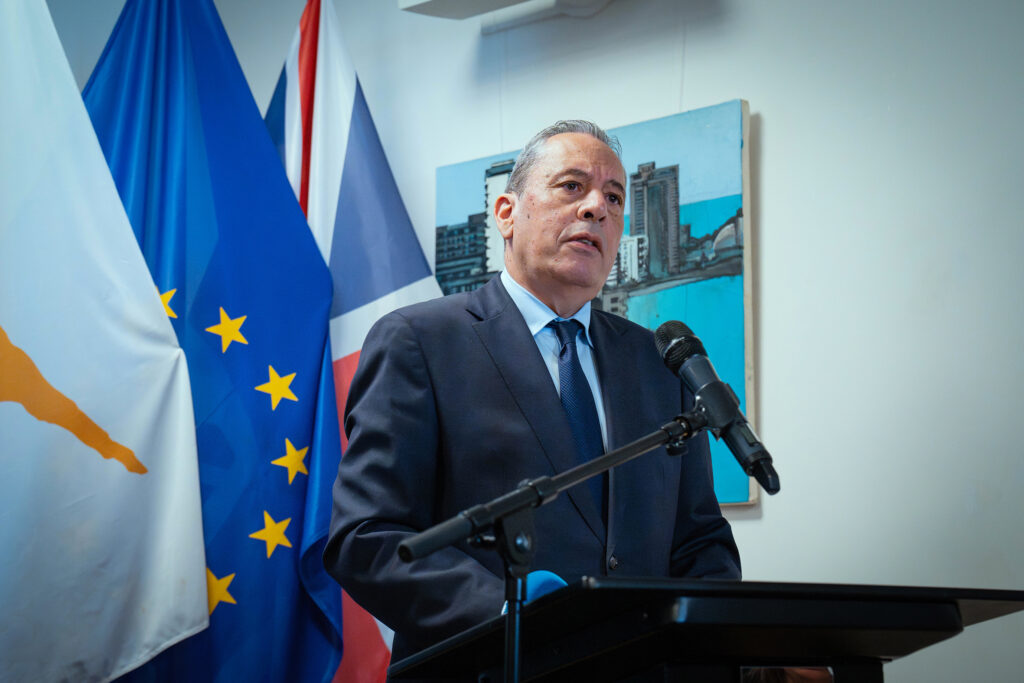
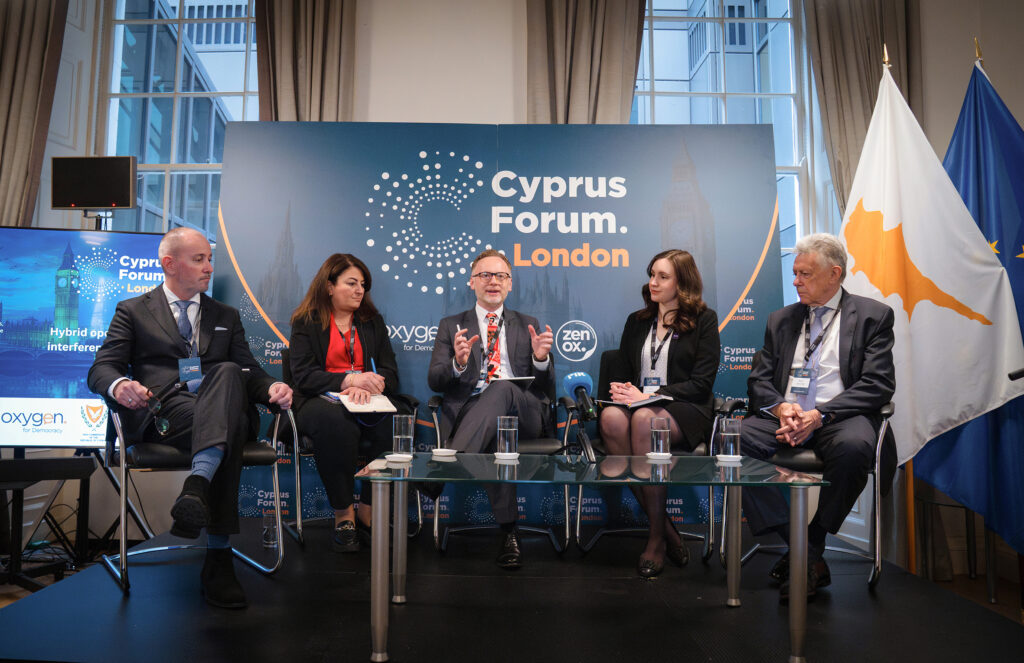
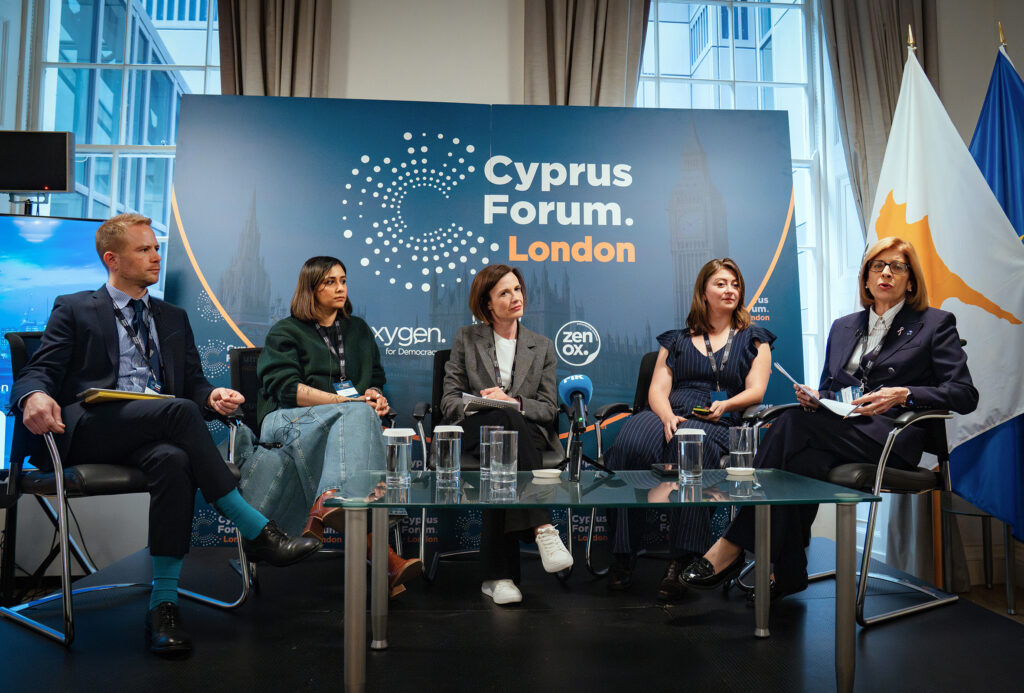
Cyprus Forum London 2026, organised by the High Commission of the Republic of Cyprus in the UK and Oxygen for Democracy with the support of the Delegation of the European Union to the United Kingdom, and the Centre for Socio-Political Studies and Think Tank Politeia, brought together ministers, senior intelligence officials, diplomats, academics, and civil society leaders in London for a high-level dialogue on hybrid threats and democratic resilience during Cyprus’ Presidency of the Council of the European Union. Drawing on Cyprus’ unique geopolitical position and longstanding exposure to both conventional and asymmetric threats, discussions focused on the evolving nature of hybrid warfare, the erosion of trust in democratic institutions, and the growing importance of coordinated European responses to disinformation, cyber threats, illicit finance, and foreign interference.
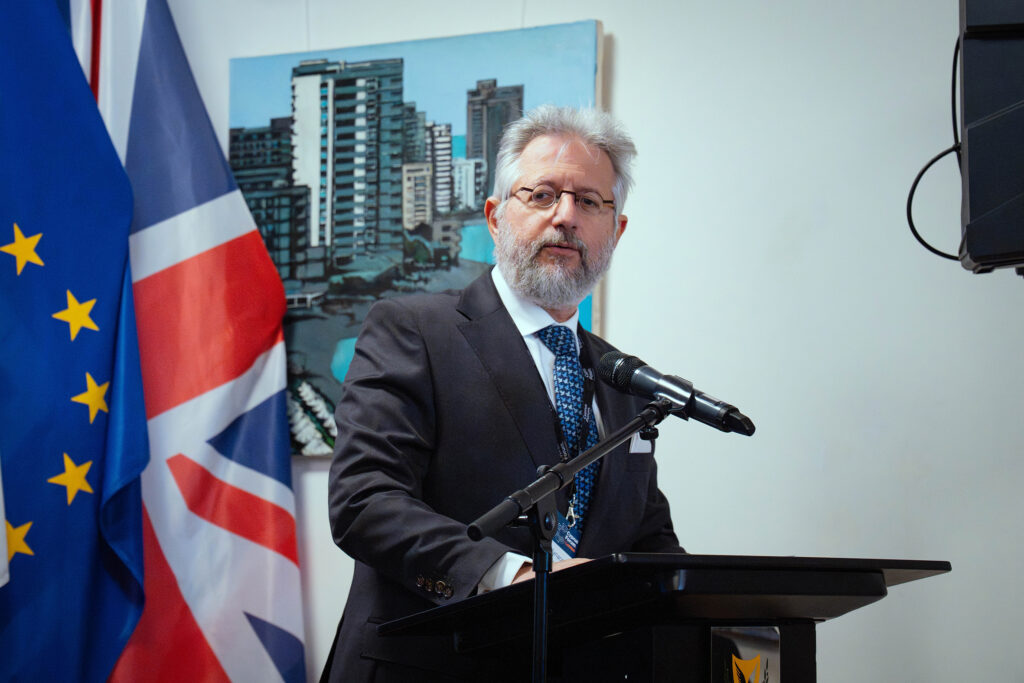
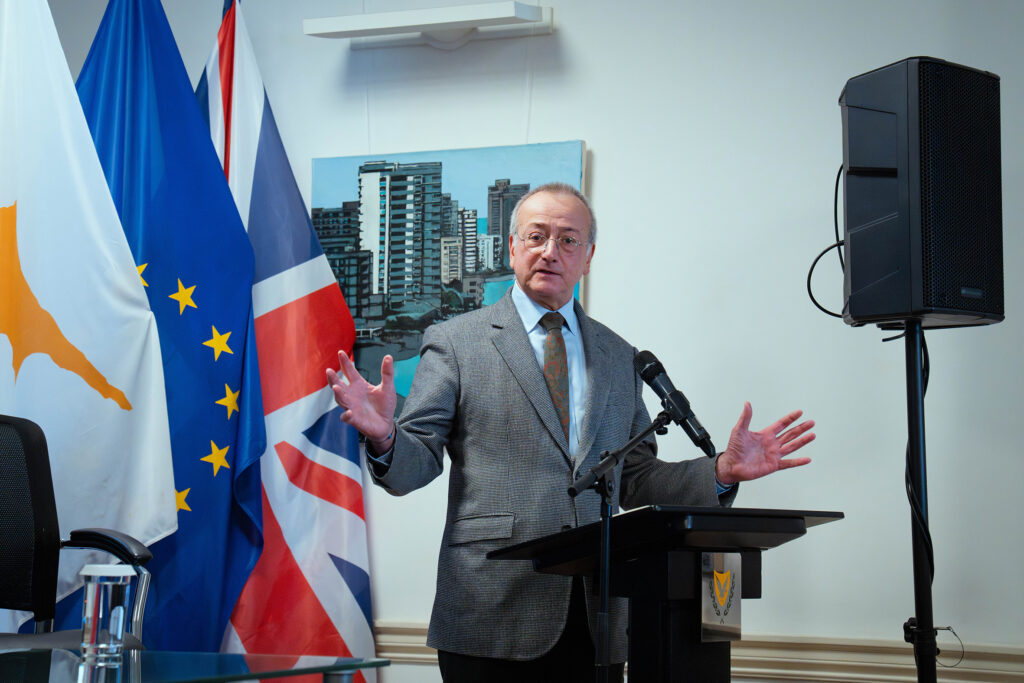
Contributions from Cypriot, EU, and UK officials highlighted Cyprus’ role as a bridge between Europe and the Eastern Mediterranean, as well as its active contribution to EU hybrid threat frameworks and regional security cooperation. Particular emphasis was placed on the strengthening bilateral relationship between Cyprus and the United Kingdom, with speakers underlining the growing strategic alignment between the two countries on security, defence, and regional stability. Discussions pointed to expanding EU-UK cooperation, reinforced political dialogue, and Cyprus’ role as a trusted partner in addressing shared challenges affecting Europe and the wider region.
With panels examining the evolution of hybrid warfare, the financing and organisation of hybrid operations, and the societal impact of disinformation, the forum offered a timely platform for advancing dialogue on Europe’s collective security and resilience. The discussions reinforced Cyprus’ ambition during its EU Council Presidency to foster clearer strategic coordination among allies, deepen Cyprus-UK relations, and position the island as a convening hub for international policy dialogue at a moment of growing geopolitical uncertainty.
Cyprus Forum London 2026: Hybrid threats, disinformation, and democracy Read More »